With food prices rising, many families are asking a simple but important question: Is buying beef still worth it? When budgets tighten, protein choices matter more than ever. That’s because protein acts as the primary building block for your body’s muscles, bones, skin, and tissues.
Beef prices are higher than shoppers would like, but beef remains one of the most nutrient‑dense, satisfying, and complete protein sources available. Yet concerns about fat and cholesterol may leave buyers unsure of what to choose. Let’s look at beef’s full nutritional profile so you can decide for yourself.
Beef: The Premier Source of Complete Protein
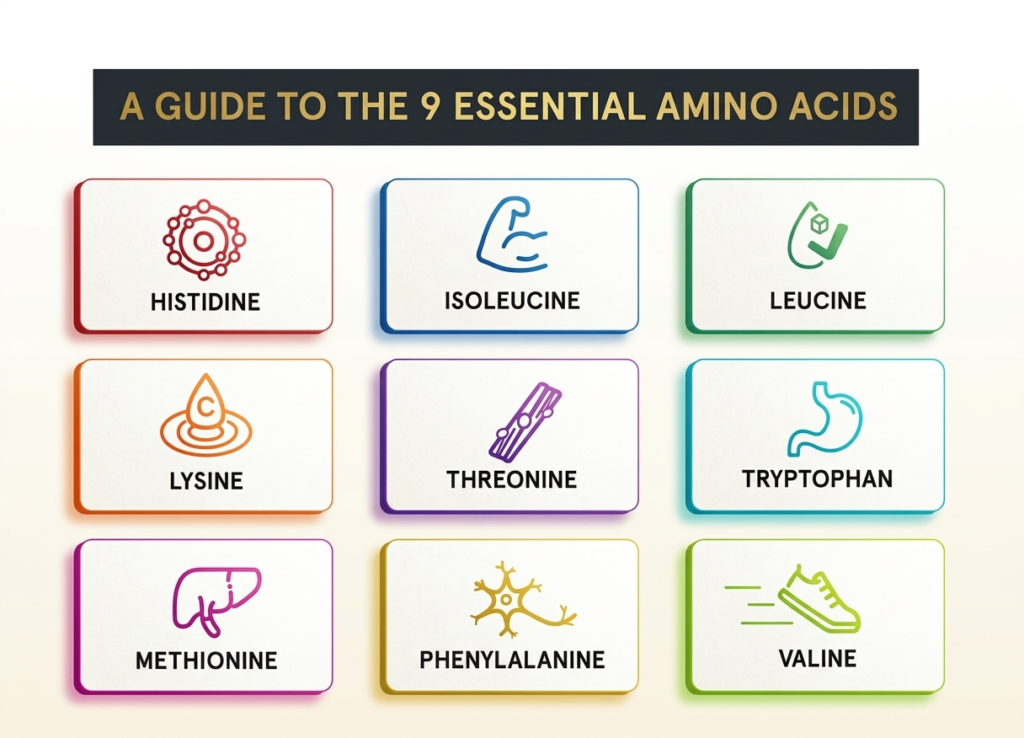
Protein isn’t just about building muscle. It’s essential for immune function, hormone production, metabolic health, and tissue repair. Beef stands out because it contains all nine essential amino acids in highly bioavailable form. It also provides additional nutrients that support protein metabolism, the process of breaking down dietary proteins into amino acids so that the body can absorb them.
Plant proteins can be useful, but they often lack one or more essential amino acids. Poultry and fish are also options, but beef is unmatched in its combination of protein density, micronutrients, and feeling full and satisfied after eating. So, how much protein does beef contain? A 3-ounce serving typically provides 21 to 25 grams of complete protein. That’s more than most other whole foods.
Not All Fats Are Bad: Understanding Beef Fat
Beef is criticized for its fat content, but fats provide concentrated energy, protect our organs, and help our bodies absorb vitamins. The type of fat that a food contains and the amount that’s eaten is what really matters. Beef contains a mix of monounsaturated fats that are like the ones in olive oil. Beef also contains saturated fats, small amounts of polyunsaturated fats, and conjugated linoleic acid (CLA).
Monosaturated fats and polyunsaturated fats support heart health by improving blood cholesterol levels, reducing arterial inflammation, and stabilizing heart rhythms. Saturated fats help maintain cell membrane integrity and hormone production. When consumed in moderation, they are not inherently harmful. CLA is a naturally occurring fatty acid that builds lean muscle and reduces fat storage in the body.
Why Beef Fat Has Different Colors
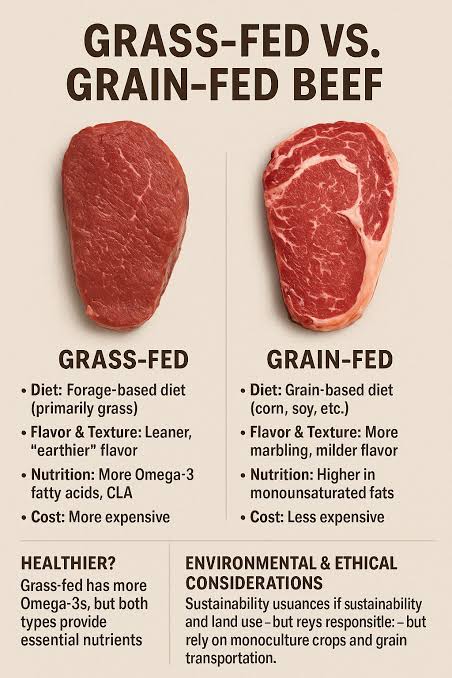
When you buy beef, you may notice that some beef fat looks white while other fat appears yellow. This color difference comes from the animal’s diet. Grass‑fed beef often has yellowish fat due to higher levels of beta‑carotene, a red-orange plant pigment that’s found in fresh pasture grass. Grain‑fed beef typically has whiter fat because grain diets contain less beta carotene.
Remember: The color of beef fat doesn’t indicate quality. It reflects what the animal ate.
Grass‑Fed vs. Grain‑Fed Beef: What’s the Difference?
Grass‑fed beef and grain‑fed beef are both nutritious, but they differ in flavor, fat composition, and nutrient profile. Grass‑fed beef is often marketed as the healthier choice, and it does have a slightly better fatty acid profile. It’s also higher in CLA, beta-carotene, and omega-3 fatty acids that help build cell membranes. Grass-fed beef is generally leaner, and it has a more robust flavor.
That doesn’t mean grain-fed beef is bad, however. It just has a different nutrient balance. Many people prefer its taste and texture, and it’s a rich source of protein and micronutrients. Grain-fed beef usually has more marbling and tenderness, and it’s typically more affordable. Plus, it’s higher in monounsaturated fat content.
Cholesterol: HDL, LDL, and What Beef Really Does to the Body
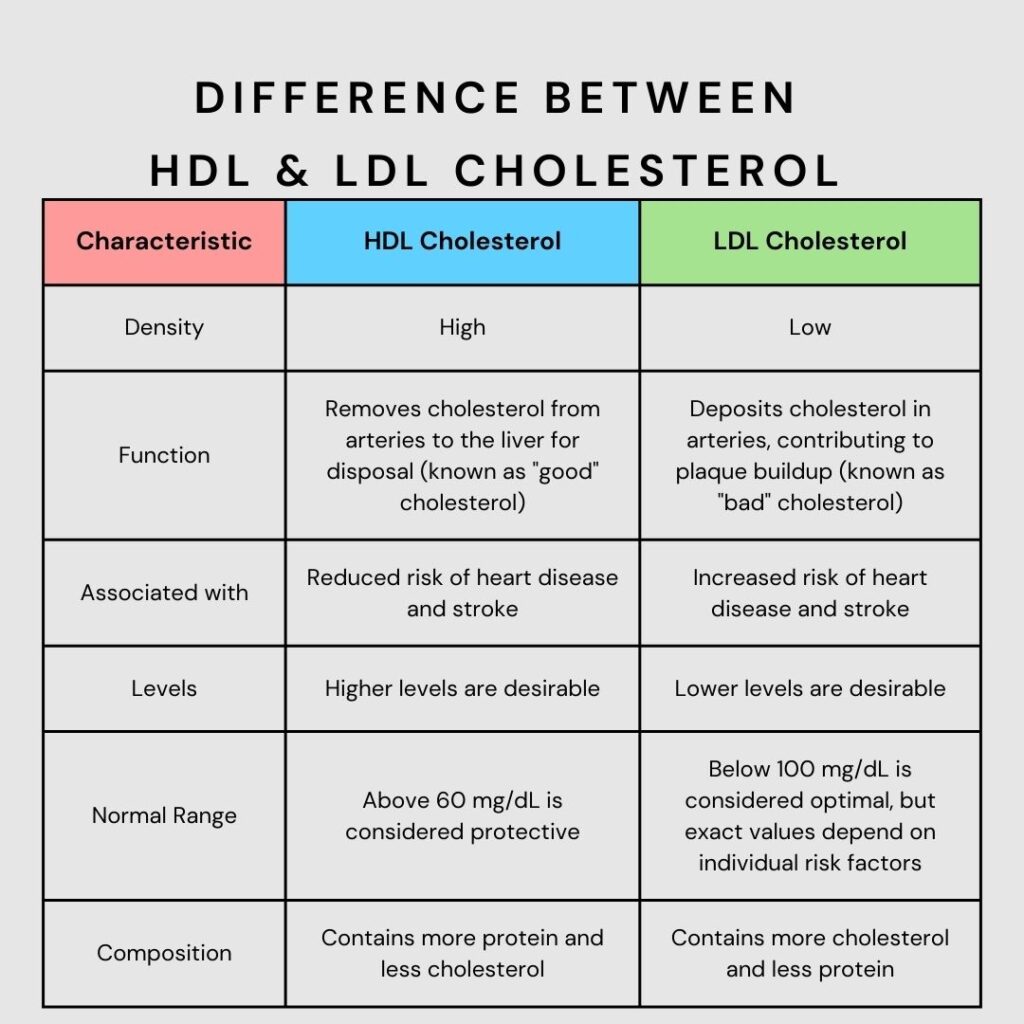
Cholesterol is another area where beef gets unfairly blamed. The problem with too much cholesterol is that it builds up on the walls of your arteries. Yet there isn’t just one type of cholesterol. High-density lipoprotein (HDL) is often called the “good cholesterol” because it helps remove excess cholesterol from the bloodstream. Low-density lipoprotein (LDL) is often called the “bad cholesterol”, but that’s an oversimplification.
LDL comes in different particle sizes. The large, fluffy ones are far less harmful than the small, dense ones. Moderate beef consumption, especially lean cuts, shift bloodstream LDL toward smaller, less harmful particles. Eating lean meat can also increase or maintain your HDL levels. Compare that to ultra-processed foods, which are far bigger drivers of unhealthy cholesterol patterns and other health problems.
Look at the Full Nutritional Picture
When you look at the facts and the full nutritional picture, beef is a premiere source of complete, highly bioavailable protein. In addition to essential vitamins and minerals, it contains healthy fats that support hormone and brain function. It’s versatile enough for meals that nourish the whole family, and the feeling of fullness it provides helps reduce snacking and overeating.