Note: This article is part of a series called Five Reasons Local Meat is Better. It describes Reason #1.
Local sources of meat tend to feed their cattle grass instead of grain. Although all cows, once weaned, grow up eating grass, mature cattle that are shipped to large feedlots are mostly grain-fed instead. Yet, grass-fed beef is higher in nutritional value and contains less saturated fat, a type of fat that can raise low-density lipoproteins (LDL) (“bad cholesterol”) levels in the bloodstream.
In addition to having lower levels of this “bad fat”, grass-fed beef contains higher levels of two essential vitamins: A and E. Grass-fed beef also contains more Omega-3 fatty acids for heart health and more antioxidants for preventing cell damage. According to the Cleveland Clinic, “research shows that omega-3 fatty acids can improve your cardiovascular health”.
Meat and Moderation
At this point, you may be wondering about mixed messages and eating meat in moderation. In a recent study published by the American Heart Association (AHA), researchers found that eating more red meat was linked to a higher risk of atherosclerotic cardiovascular disease. The focus of this study, the gut biome, was different than previous research; however, is the “meat is bad for you” message the same?
For its part, the United States Department of Agriculture (USDA) doesn’t recommend a daily number of meat servings – including zero. Instead, the USDA’s Center for Nutrition Policy and Promotion recommends that “meat and poultry choices should be lean or low-fat” and that Americans “increase the variety of protein food selection, choosing meat less often”.
But what type of meat should people eat less of? Grass-fed or grain-fed? Steaks and hamburger or processed meats like cold cuts and hot dogs? Beef, buffalo, venison, or poultry? And what happened to the food pyramid, a USDA infographic with recommended servings?
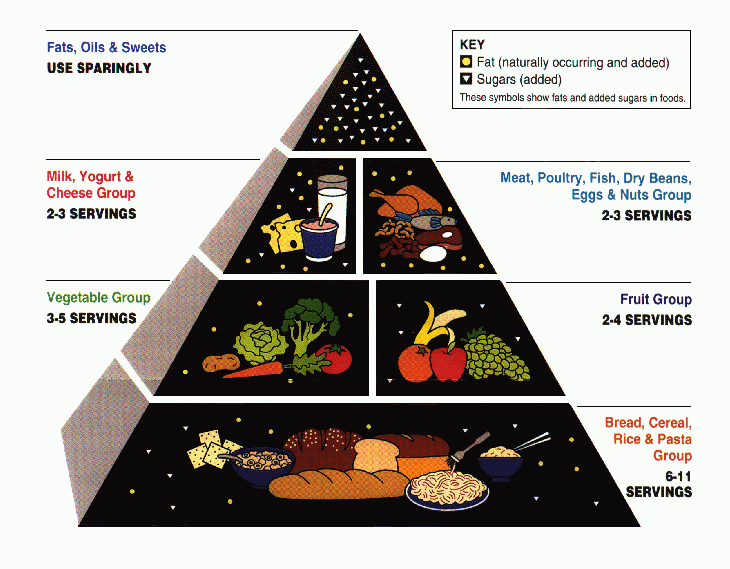
From Food Pyramid to MyPlate
The food pyramid that was built in the 1990s has since been demolished. The classic version was revised in 2005 and then scrapped in 2011. Today, the USDA’s nutrition guidelines are found in MyPlate and group red meat and poultry with lentils and beans. The USDA changes its guidelines every five years, however, and the process is not immune to criticism.
“There’s a great deal of money at stake in what these guidelines say,” said Dr. Marion Nestle, author of Food Politics, in 2016. Back then, Nestle said “I was told we could never say ‘eat less meat’ because USDA would not allow it.” By that same logic, however, what is the role of corporate interests in lobbying for “protein foods” instead of local meat from small processors?
At Go Natural Education, we encourage you to check the facts and decide for yourself. In our next article in this series about local meat, we’ll consider healthier, well-cared for animals.
About This Series
This article is part of a series called Five Reasons Why Local Meat is Better. Here is the full list of articles.
- Better nutritional value
- Healthier, well-cared for animals
- Sounder agricultural practices
- Greater consumer value
- Lower costs
Thank you for reading them.