At the supermarket, the choice seems simple: pay more for fresh, high‑quality food or pay less by buying ultraprocessed products. But the price tags on the shelves don’t tell the whole story. The real cost of food becomes clear over time. You can enjoy better health through greater nutrition, or you can contend with lost energy, chronic disease, and medical bills.
In other words, you can pay more now, or you can pay far more later.
Ultraprocessed Foods: The True Cost
Ultraprocessed foods are engineered to be cheap, convenient, and hyper‑palatable. They’re made from refined starches, seed oils, artificial flavors, and additives designed to mimic real food. These products are everywhere because they’re profitable to make and inexpensive to buy. But the savings are an illusion.
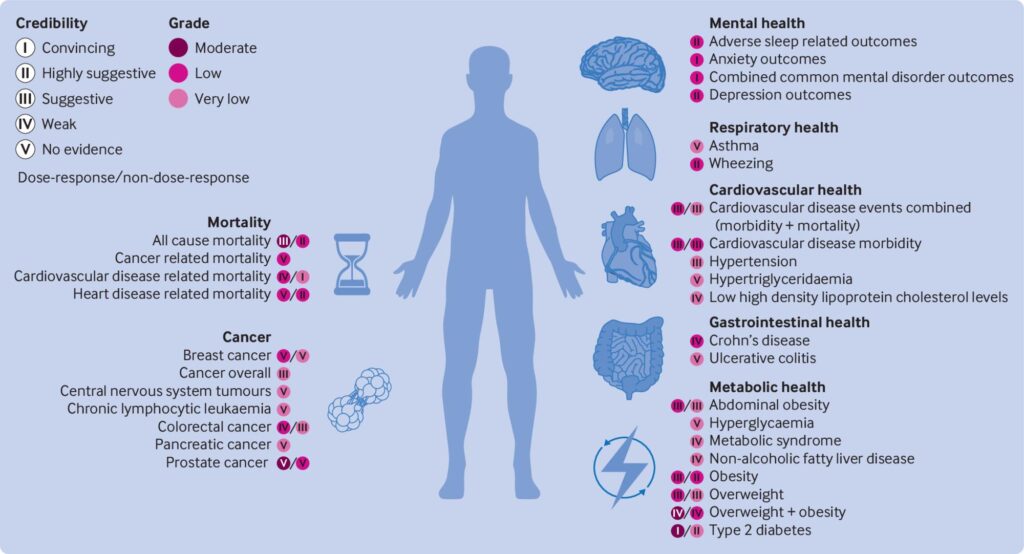
Study after study has linked high consumption of ultraprocessed foods to obesity, Type 2 diabetes, cardiovascular disease, depression, and even certain cancers. The short‑term savings at the checkout line often turn into long‑term costs in the doctor’s office. Chronic diseases, most of which are preventable, drive $5.3 trillion in annual healthcare costs in the United States alone.
Ultraprocessed foods and health outcomes. Source: The BMJ
High-Quality Foods: The Real Value
High-quality food such as fresh vegetables, fruits, whole grains, pastured meats, wild fish, nuts, and seeds cost more upfront because they cost more to produce. Real farming, real ingredients, and real nutrition require labor, land, and time. But these foods nourish the body in ways ultraprocessed products cannot.
For example, high-quality foods stabilize blood sugar, reduce inflammation, support gut health, and provide the vitamins and minerals your body needs to function well. The financial difference becomes clear when you zoom out. Processed snacks may seem like a bargain, but the long‑term costs of fatigue, weight gain, metabolic dysfunction, and medical expenses are anything but cheap.
There’s also the hidden cost of lost vitality. People who shift toward whole, nutrient‑dense foods often report better sleep, clearer thinking, more stable moods, and higher energy. These benefits don’t show up on a receipt, but they dramatically improve daily life. Food isn’t just fuel; it’s information. Every bite tells your body how to operate.
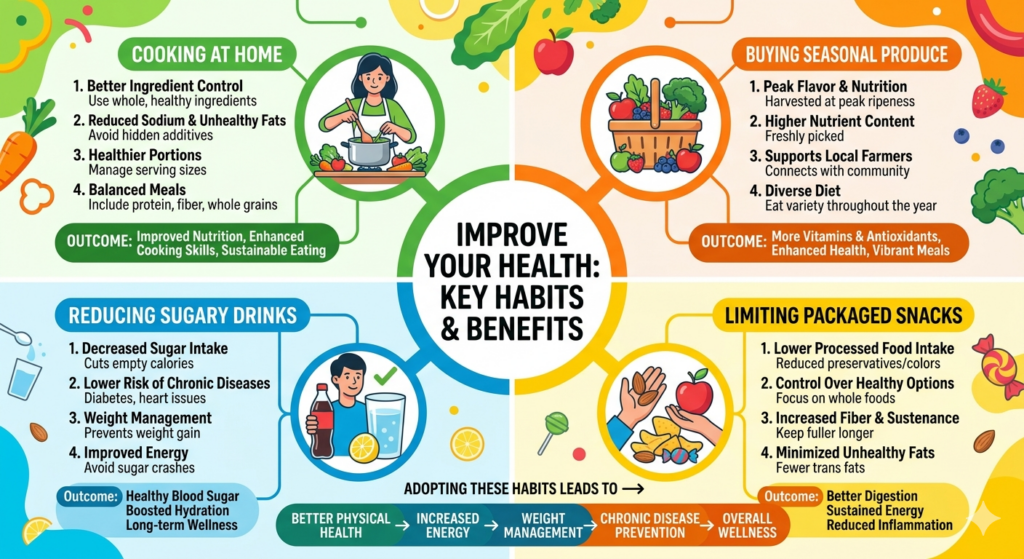
Practical steps you can take toward better health. Source: Google Gemini
What You Can Do for Your Health
Of course, not everyone has equal access to fresh, high‑quality food, and affordability is a barrier. But even within tight budgets, small shifts like this can make a real difference.
Cooking at home
Buying seasonal produce
Reducing sugary drinks
Limiting packaged snacks
The bottom line is simple: you’re going to pay for your food one way or another. You can invest in your health now by choosing higher‑quality, nutrient‑dense foods, or you can pay later through the physical and financial toll of chronic disease. The price of real food may feel high, but the cost of poor health is far higher.