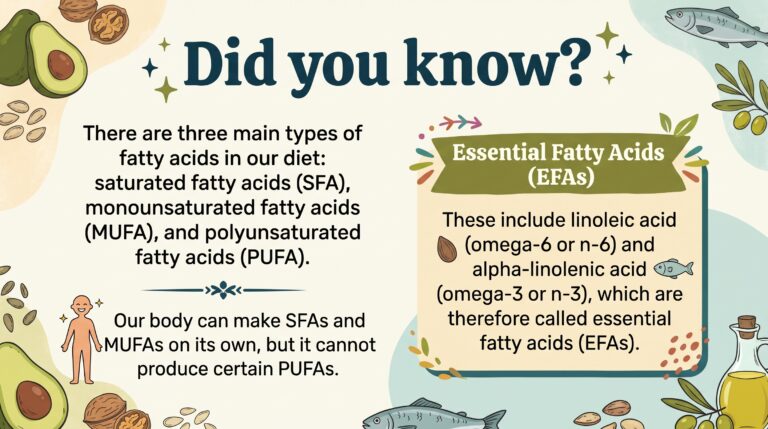
In our recent investigation into whether buying beef is worth it, Go Natural Education examined how beef provides saturated fats, oleic acid, and conjugated linoleic acid (CLA). To understand how beef supports human physiology, however, we need to take a deeper dive into fatty acids.
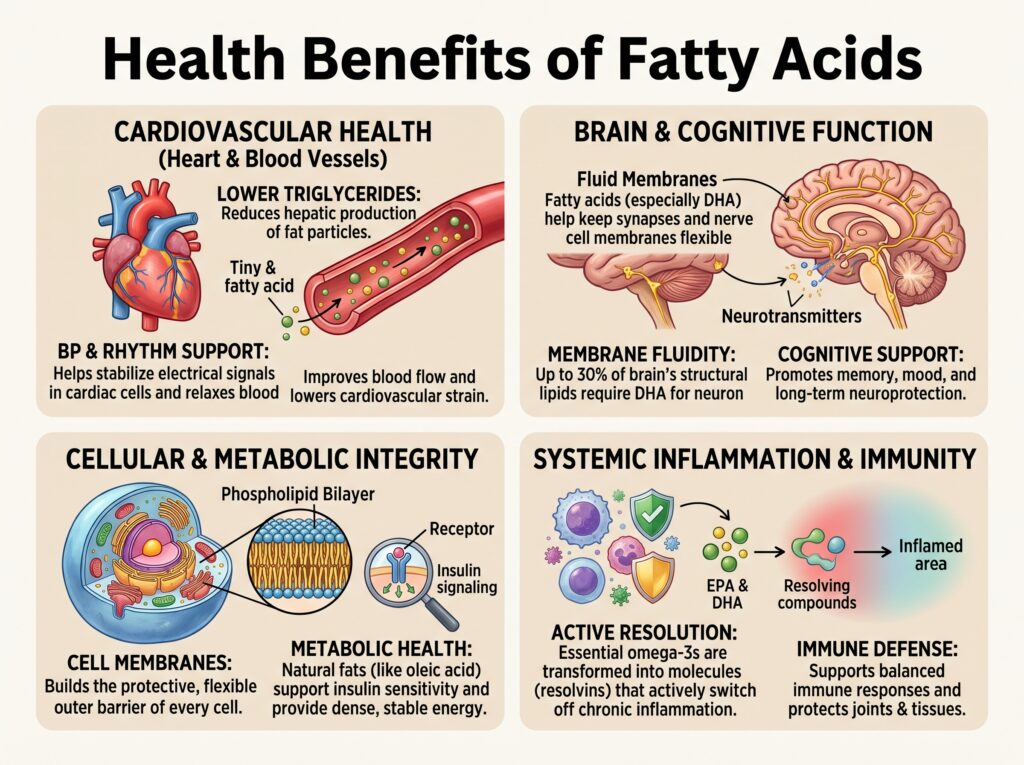
Cell Membrane Architecture: Every cell in the human body is enveloped by a phospholipid bilayer. Fatty acids dictate membrane fluidity, thickness, and elasticity. In turn, this determines how well nutrient transporters and hormone receptors work.
Dense Energy Storage: Fatty acids break down into acetyl coenzyme A (Acetyal-CoA), a substance that powers muscles, the heart, and resting metabolism.
Signal Transduction: PUFAs are parent compounds for eicosanoids – molecules like prostaglandins, thromboxanes, and leukotrienes that modulate blood clotting, vascular tone, and immune responses.
Synthesize eicosapentaenoic acid (EPA) and docosahexaenoic acid (DHA), substances that comprise over 30% of the brain’s structural lipids.
Maintain the skin’s lipid barrier, which helps prevent trans epidermal water loss and dermatitis.
Regulate systemic inflammation and platelet aggregation, the process where blood platelets stick together to form a temporary plug that stops bleeding.
Image Credit: Go Natural Education
How Do Fatty Acids Interact with Other Substances?
Fat-Soluble Vitamins (A, D, E, K): Without dietary lipids, these essential micronutrients can’t be absorbed through the gut wall. Fatty acids stimulate the release of bile salts, forming mixed micelles that move fat-soluble vitamins.
Cholesterol and Lipoproteins: Fatty acids bond with cholesterol molecules to form cholesterol esters, which form the core of lipoproteins such as HDL, a substance that scours arterial walls and removes discarded cholesterol.
Glucose and Insulin: Free fatty acids circulate and affect cellular insulin signaling. When balanced by healthy whole-food nutrition, they stabilize blood sugar and prolong a feeling of fullness and satisfaction that helps prevent overeating.
Now that you know more about fatty acids, it’s easy to see why demonizing these substances – and beef itself – misses the mark. When you choose nutrient-dense, minimally processed whole foods like beef, you can supply your body with the fatty acids it needs for structural integrity and metabolic vitality.