From plant‑based eating to all‑meat dining to the rise of fermented foods, diet trends vary. Each promises better health, more energy, or a simpler way to eat. But how healthy are these approaches? Individual needs vary, but let’s consider some general principles behind each style of eating. That’s the easiest way to understand the potential benefits and drawbacks.
Here’s a big-picture look at five major categories of diet:
Vegan and vegetarian
Carnivore
Processed foods
Fermented foods
Balanced diet
Vegan and Vegetarian Diets
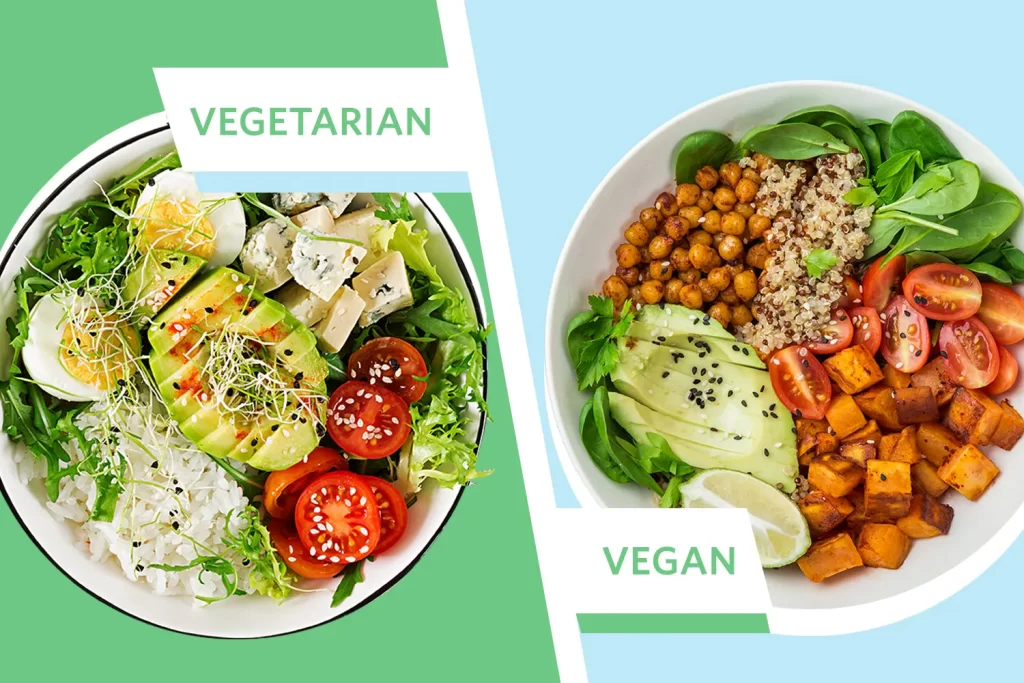
Plant‑based diets have surged in popularity because they’re associated with various health benefits. Fruits, vegetables, legumes, nuts, and whole grains contain not just vitamins and minerals, but also fiber and antioxidants. Diets lower in saturated fat and higher in fiber are linked to better cardiovascular health, and plant-based foods tend to be lower in calories for weight management.
There are drawbacks, however. Without careful planning, a vegan or vegetarian diet may not provide enough vitamin B12, iron, calcium, omega-3 fatty acids, and protein. There’s also a risk of eating what’s known as vegan “junk food”. Ultra-processed meat alternatives, fried foods, and sugary snacks can undermine the health benefits of a plant-based diet.
Image Credit: the kitchn
Carnivore Diet
The carnivore diet is the opposite of plant-based eating. Among their many benefits, animal products contain complete proteins and nutrients like B vitamins and iron. By removing plant foods, some people report a reduction in digestive discomfort or fewer food-specific reactions. Most consumers have access to a limited choice of meats, so the simplicity of this diet can make it easy to follow.
Fiber is essential for digestive health, however, and the carnivore diet doesn’t contain enough. Depending on an individual’s food choices, this diet may be high in saturated fat, which is a concern for heart health in many dietary guidelines. Then there’s the fact that cutting out entire food groups can reduce intake of vitamins, minerals, and beneficial plant compounds.
Image credit: Cleveland Clinic
Processed Foods
Processed foods range from minimally processing items like frozen vegetables to ultra-processed items like packaged snacks, sugary cereals, and fast food. Shelf-stable and ready-to-eat foods are convenient, but they tend to lack enough vitamins and minerals unless they’re enriched. Ultimately, the health impact heavily depends on the type or amount of processing.
Ultra-processed foods tend to be high in added sugars, sodium, unhealthy fats, and artificial additives. Many lack fiber and essential micronutrients. Diets high in ultra-processed foods are also associated with higher rates of weight gain and other health issues. Then there’s the fact that some ingredients, such as chemical food dyes, aren’t really “foods” at all.
Image Credit: Harvard T.H. Chan School of Public Health
Fermented Foods
Fermented foods like yogurt, kimchi, sauerkraut, kefir, miso, and kombucha are popular because of their potential benefits to gut health. Fermentation can introduce microorganisms that support a healthy gut microbiome, which helps regulate immunity and metabolism. Fermentation can increase the bioavailability of certain nutrients, and some people find fermented foods easier to digest.
For consumers, it’s important to understand that not all fermented foods contain live cultures that promote gut health. That’s because pasteurization or heat treatment can kill beneficial bacteria. Foods like kimchi and sauerkraut can be salty, and too much salt raises blood pressure. Some people may experience digestive discomfort, but individual experiences vary.
Image Credit: Daily Meal
Balanced Diet
Eating a balanced diet isn’t a trend. It’s a long‑standing approach built on moderation, variety, and flexibility. The core principles involve eating a mix of food groups and prioritizing moderation over restriction. This approach can be adopted to personal, cultural, and lifestyle needs; however, it’s still important to choose foods that provide enough vitamins, minerals, and fiber.
A balanced diet is sustainable over the long-term, and it reduces the risk of nutritional gaps associated with vegan and vegetarian or carnivore diets. Balanced diets are also associated with heart health, stable energy, and healthy weight management. They require choices, however, and eating a balanced diet can seem less exciting than the novelty or simplicity of other approaches.
What’s the Best Diet for You?
Each diet—vegan/vegetarian, carnivore, fermented, or balanced—comes with its own strengths and limitations. But how do you choose a way of eating that supports your overall well‑being, fits your lifestyle, and includes a wide range of nutrient‑rich foods? Go Natural Education isn’t here to spoon-feed easy answers, but we invite you to pick up a fork and knife and dig in. We’re here to help.