Some processed foods seem almost impossible to stop eating – or buying. It’s not just salty, crunchy snacks either. Sugary energy drinks, ready-to-drink coffee, and flavored coffee syrups are now a multi-billion-dollar market worldwide. Some consumers joke that they’re “addicted”, but is there a scientific basis to this? Or is just a matter of clever marketing and overindulgence?
The human brain has natural “stop” signals when it comes to eating and drinking. Whole foods like fruits, vegetables, and beef naturally balance nutrients with fiber and water to tell your brain when you’re full. That’s not the case with ultra-processed foods, which contain specific additives and engineered flavor combinations that hijack the brain’s reward circuitry.
There’s a connection here to the tobacco industry that some would prefer you ignore.
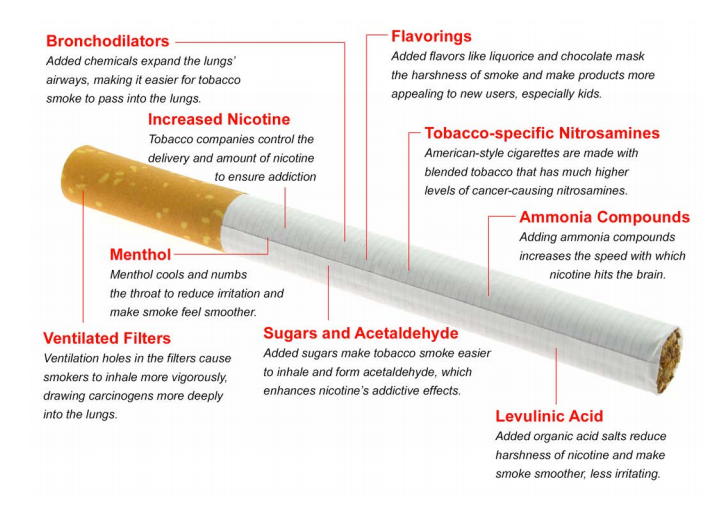
Big Tobacco created enhanced nicotine delivery systems. Image Credit: Vox
The Big Tobacco Blueprint?
During the 1980s and 1990s, lawsuits revealed how the tobacco industry had transformed cigarettes into enhanced nicotine delivery systems to maximize dependency. Around the same time, tobacco giants like R.J. Reynolds and Philip Morris acquired major food conglomerates, including Kraft, General Foods, and Nabisco.
According to a 2023 study published in Addiction, U.S. tobacco companies that owned major food manufacturers played a significant role in the spread of hyper-palatable foods – products engineered with combinations of fat, sugar, salt, and refined carbohydrates that make them especially rewarding to eat. The study was later published by the U.S. National Institutes of Health (NIH).
By analyzing USDA food data from 1988 to 2001, the researchers showed that foods produced by tobacco-owned companies were 29% more likely to be formulated with high levels of fat and sodium and 80% more likely to contain highly rewarding carbohydrate-and-sodium combinations than foods made by non-tobacco companies.
The researchers clearly state that these hyperpalatable foods were “selectively disseminated”, but did Big Tobacco apply principles it had learned from engineering cigarettes?
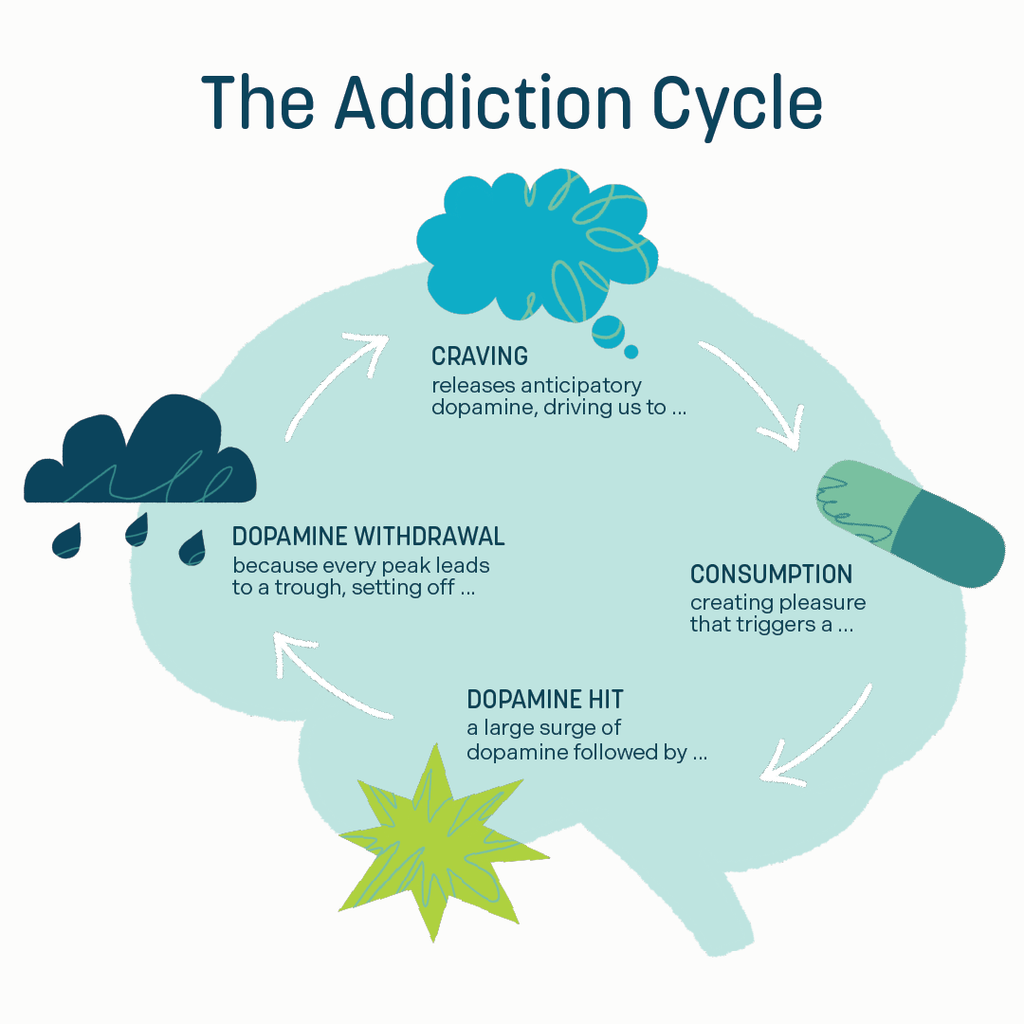
Dopamine is a naturally occurring hormone that can play a role in compulsive eating behaviors. Image Credit: Deseret News
Food Additives and Brain Chemistry
In nature, foods rarely contain high amounts of both sugar and fat together. Yet processed foods pack both into a single bite, triggering the brain’s mesolimbic reward pathway. Additional NIH research published in the NIH National Library of Medicine claims that repeated exposure to these hyper-palatable combinations can cause a neuroadaptive shift that is like substance dependence.
To be clear, this research was limited to ultra-processed milkshakes – and it does not definitively state that these and other processed foods are universally addictive. Still, it’s worth considering the following about what may be part of your diet.
- Refined Sugars and Flavored Syrups: A large flavored iced coffee can contain 50 grams of added sugar alongside caffeine. Sugar triggers rapid dopamine release. Caffeine amplifies dopamine signaling. Dopamine, a neurotransmitter, is heavily linked to addiction.
- Energy Drinks: Beyond heavy doses of caffeine and sugar, energy drinks contain synthetic B-vitamins, taurine, and guarana. Together, they create a sharp spike in alertness followed by an inevitable crash. Having another energy drink offers a way to recover (if only temporarily).
- Monosodium Glutamate (MSG): Research in the Journal of Nutritional Science indicates that this flavor enhancer can stimulate appetite during a meal by boosting palatability. Foods that contain MSG include instant noodles, frozen pizzas, and processed meats like hot dogs.
Is It Time to Reclaim Your Palate?
Are food cravings engineered? Are additives in processed foods designed to bypass your natural sense of being full? It’s up to you decide, but eating whole, minimally processed foods isn’t just good for your health. It can allow your mouth’s taste buds and your brain’s domain receptors time to re-set.
That just might be the first step in letting real food taste satisfying again.